
Autism Sleep Issues Homeopathy Treatment in Chennai

#autismsleepissueshomeopathy #autismsleepissueshomeopathyclinic #autismsleepissueshomeopathytreatment #autismsleepissueshomeopathydoctorinchennai #autismsleepissueshomeopathicclinicinchennai #autismsleepissueshomeopathictreatmentinchennai #autismsleepissueshomeopathytreatmentintambaram
Autism and Sleep Issues: How to Help Autistic Children Sleep Better
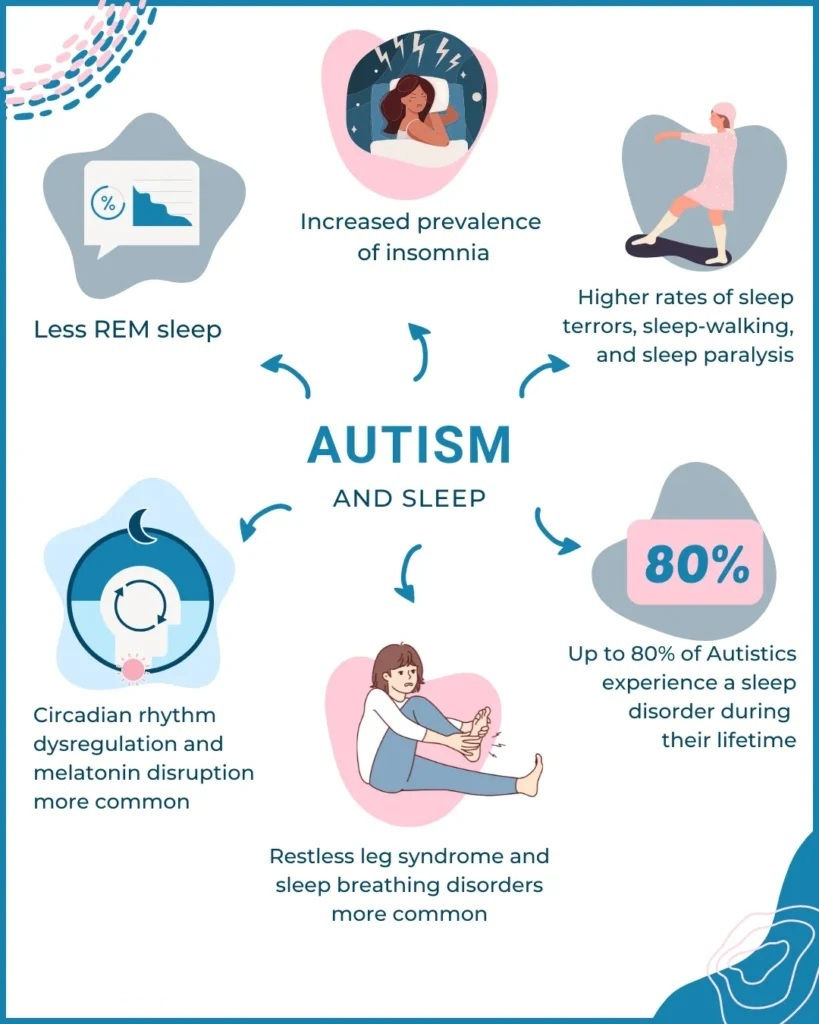
Sleep is essential for every child, but for children with autism, getting a good night’s sleep can be a constant struggle. Research shows that up to 80% of children with autism experience sleep difficulties, making bedtime a stressful time for both children and parents. Sleep disturbances like difficulty falling asleep, frequent night awakenings, and early morning rising can significantly impact a child’s behavior, mood, and overall well-being.
In this blog, we’ll explore why autistic children often face sleep problems, common issues that arise, and practical strategies you can use to help your child sleep better. Whether you’re a parent, caregiver, or professional, this guide will provide you with the tools to support better sleep habits for autistic children.

Why Do Autistic Children Have Trouble Sleeping?
Before diving into solutions, it’s important to understand why sleep difficulties are so common among children with autism. Autism affects the brain's ability to process sensory information and regulate emotions, both of which can interfere with sleep.
1. Sensory Sensitivities:
Many autistic children are highly sensitive to their surroundings. Sensory sensitivities can include:
Light sensitivity: Bright lights may feel overwhelming, making it hard for your child to relax before bed.
Sound sensitivity: Background noises, such as a ticking clock or distant traffic, may seem unbearably loud.
Touch sensitivity: Certain textures in the bed or clothing, like rough sheets or tags, can create discomfort, making it difficult for the child to fall asleep.
This heightened sensory awareness can cause significant sleep disruptions, even if the environment seems calm to others.
2. Irregular Sleep-Wake Cycles:
Autistic children often struggle with their circadian rhythms, the internal body clock that regulates sleep. This can lead to difficulties in falling asleep at night or waking up at odd hours, even if they’ve had a full day of activity.
Research has shown that many children with autism have a delayed sleep phase, meaning they may not feel sleepy until much later than typical children. As a result, bedtime becomes a battle, and they may wake up early in the morning, leading to sleep deprivation.
3. Anxiety and Restlessness:
Anxiety is prevalent in children with autism and can manifest in a variety of ways, including difficulty relaxing or falling asleep. Some common triggers for bedtime anxiety include:
Fear of the dark or fear of separation from parents
Overthinking or racing thoughts about the day or upcoming events
Transitioning to a new environment (e.g., changing beds or visiting relatives)
Difficulty managing change in routine, like a vacation or different sleeping arrangements
These factors can make it incredibly difficult for your child to unwind and settle down for the night.
4. Co-occurring Conditions:
Autistic children often experience other health conditions that affect sleep. These can include:
Gastrointestinal (GI) issues: Many children with autism suffer from stomach pain, reflux, or constipation, which can keep them awake at night.
Epilepsy: Some autistic children also experience seizures, which can disrupt sleep.
ADHD: Difficulty with attention and hyperactivity can extend into bedtime, making it harder for children to wind down.
Each of these conditions can contribute to sleep disturbances, making it even harder for children with autism to get the rest they need.
Common Sleep Issues in Autistic Children
Understanding the specific sleep issues your child faces can help you find targeted solutions. Here are the most common sleep problems faced by autistic children:
1. Difficulty Falling Asleep:
Autistic children often struggle with calming their minds and bodies enough to fall asleep. Hyperactivity, anxiety, or overstimulation from the day can make it nearly impossible to wind down.
Example: A child may become agitated or restless at bedtime, and despite being tired, they are unable to sleep due to racing thoughts or discomfort.
2. Night Waking's:
Frequent night waking's are common among autistic children, sometimes due to sensory overload, anxiety, or sleep disorders like sleep apnea. The child may wake up several times throughout the night, often requiring help from parents to return to sleep.
Example: A child may wake up at 2 a.m. and, after a period of distress, may need comfort or assistance to return to bed.
3. Early Morning Waking:
Many children with autism wake up earlier than typical children—sometimes as early as 4 a.m. or earlier. Early rising can be due to anxiety, a disrupted sleep cycle, or simply because the child feels fully rested.
Example: A child may wake up at dawn, disrupting the family’s morning routine, and be unable to fall back asleep.
4. Sleepwalking or Night Terrors:
While less common, sleepwalking or night terrors can occur in children with autism. These episodes can be unsettling and may involve the child wandering around, talking in their sleep, or appearing frightened without being fully awake.
Example: A child may suddenly get out of bed and walk around the house while still asleep, or wake up screaming in the middle of the night, appearing confused or disoriented.

Effective Strategies to Help Autistic Children Sleep Better
Once you understand the root causes of your child’s sleep struggles, you can start implementing strategies to improve their sleep quality. Here are some proven approaches to help autistic children sleep more soundly:
1. Establish a Consistent Bedtime Routine:
A predictable bedtime routine can help signal to your child that it’s time to wind down and prepare for sleep. This routine should be calming and soothing, incorporating activities that help your child relax.
Example: A routine might include:
o Taking a warm bath or shower
o Reading a story or listening to calming music
o Using relaxation exercises like deep breathing or gentle stretching
2. Create a Sensory-Friendly Sleep Environment:
Make the bedroom a calming, sensory-friendly space. A quiet, dimly lit room with minimal distractions can help create an environment conducive to sleep. Consider using:
Blackout curtains to block out excess light
White noise machines or soothing music to mask external sounds
Soft bedding and comfortable clothing to reduce tactile discomfort
3. Use Visual Schedules:
Autistic children often thrive on structure and predictability. Using a visual sleep schedule or bedtime chart can help them understand what to expect and make the transition to sleep smoother.
Example: A visual schedule can include pictures of activities like brushing teeth, putting on pajamas, and reading a bedtime story, followed by a timer or clock to show when sleep time begins.
4. Reduce Screen Time Before Bed:
The blue light emitted from screens can interfere with the production of the sleep hormone melatonin, making it harder for your child to fall asleep. Limit screen time (TV, tablets, phones) at least one hour before bedtime.
5. Incorporate Calming Techniques:
Calming techniques can help soothe your child’s mind and body. Techniques such as deep breathing, guided meditation, or progressive muscle relaxation can be incredibly effective for children who experience anxiety at night.
Example: You could try a guided sleep meditation for children or use an app designed for calming children before bed.
6. Use Melatonin Supplements (When Appropriate):
Melatonin is a natural hormone that regulates the sleep-wake cycle and is often used as a supplement for children with autism who struggle to fall asleep. Always consult with a healthcare provider before starting any supplement regimen.
When to Seek Professional Help
If your child’s sleep issues persist despite trying various strategies, it may be time to seek professional help. It’s important to rule out any underlying medical conditions, such as GI issues, that could be contributing to your child’s sleep troubles.
Getting a good night’s sleep is crucial for every child, but for children with autism, it can often feel like an uphill battle. By understanding the unique challenges autistic children face with sleep and implementing the strategies outlined in this post, you can help improve your child’s sleep quality, leading to better behavior, mood, and overall health.
Remember, every child is different, so it may take time and patience to find the strategies that work best for your family. Don’t hesitate to reach out to professionals if you need additional support. You’re not alone on this journey
Frequently Asked Questions
1. Why do autistic children have trouble sleeping?
Autistic children often struggle with sleep due to sensory sensitivities, anxiety, irregular sleep-wake cycles, or co-occurring medical conditions like gastrointestinal issues or ADHD. These factors can disrupt their ability to fall asleep or stay asleep.
2. What are the common sleep issues in autistic children?
Common sleep issues include:
Difficulty falling asleep due to overstimulation or anxiety
Frequent night wakings
Early morning waking
Sleepwalking or night terrors
3. How can a bedtime routine help autistic children sleep?
A consistent, calming bedtime routine signals to your child that it’s time to wind down. Activities like taking a warm bath, reading a book, and using visual schedules can provide predictability, helping your child feel more secure and relaxed.
4. When should I consult a doctor about my child’s sleep problems?
If sleep issues persist despite trying different strategies, or if your child is showing signs of sleep apnea, excessive daytime sleepiness, or other health issues, it’s time to consult a specialist for further evaluation.
5. Can anxiety make sleep worse for autistic children?
Yes, anxiety is a common challenge for many autistic children and can make it harder for them to fall asleep. Strategies like mindfulness, relaxation exercises, and addressing specific anxieties before bedtime can help reduce the impact of anxiety on sleep.


