Importance of Early Intervention in Autism Treatment in Chennai

#autismhomeopathy #autismhomeopathyclinic #autismomeopathytreatment #autismhomeopathydoctorinchennai #autismhomeopathicclinicinchennai #autismhomeopathictreatmentinchennai #asdhomeopathy #asdhomeopathyclinic #asdhomeopathytreatment #asdhomeopathydoctorinchennai #asdhomeopathicclinicinchennai #asdhomeopathictreatmentinchennai
Homeopathy treatment of Autism in Chennai, Autism treatment in Chennai
Autism Spectrum Disorder (ASD) is a complex developmental condition that affects individuals in various ways, impacting their social interactions, communication skills, behavior, and overall development. While autism is a lifelong condition, research has consistently shown that early intervention plays a crucial role in improving outcomes for children with autism. Here's a detailed exploration of why early intervention is crucial and how it can make a difference.

Why Early Intervention Matters
Early intervention in autism refers to a comprehensive, proactive approach to addressing the unique developmental needs of children with autism spectrum disorder (ASD) as early as possible. This approach is based on the principle that providing targeted support during the critical early years of a child's life can significantly impact their long-term outcomes and overall quality of life.
Early intervention is not a one-size-fits-all solution but rather a customized approach that takes into account the unique strengths, challenges, and developmental trajectory of each child with autism. By providing targeted support during the critical early years, early intervention aims to maximize a child's potential and minimize the impact of autism-related challenges on their overall development.
It's important to note that early intervention is not a cure for autism, but rather a proactive strategy to support optimal development and improve outcomes for children on the autism spectrum. The effectiveness of early intervention can vary from child to child, but research consistently demonstrates that early, intensive, and individualized interventions can lead to significant improvements in various developmental domains.
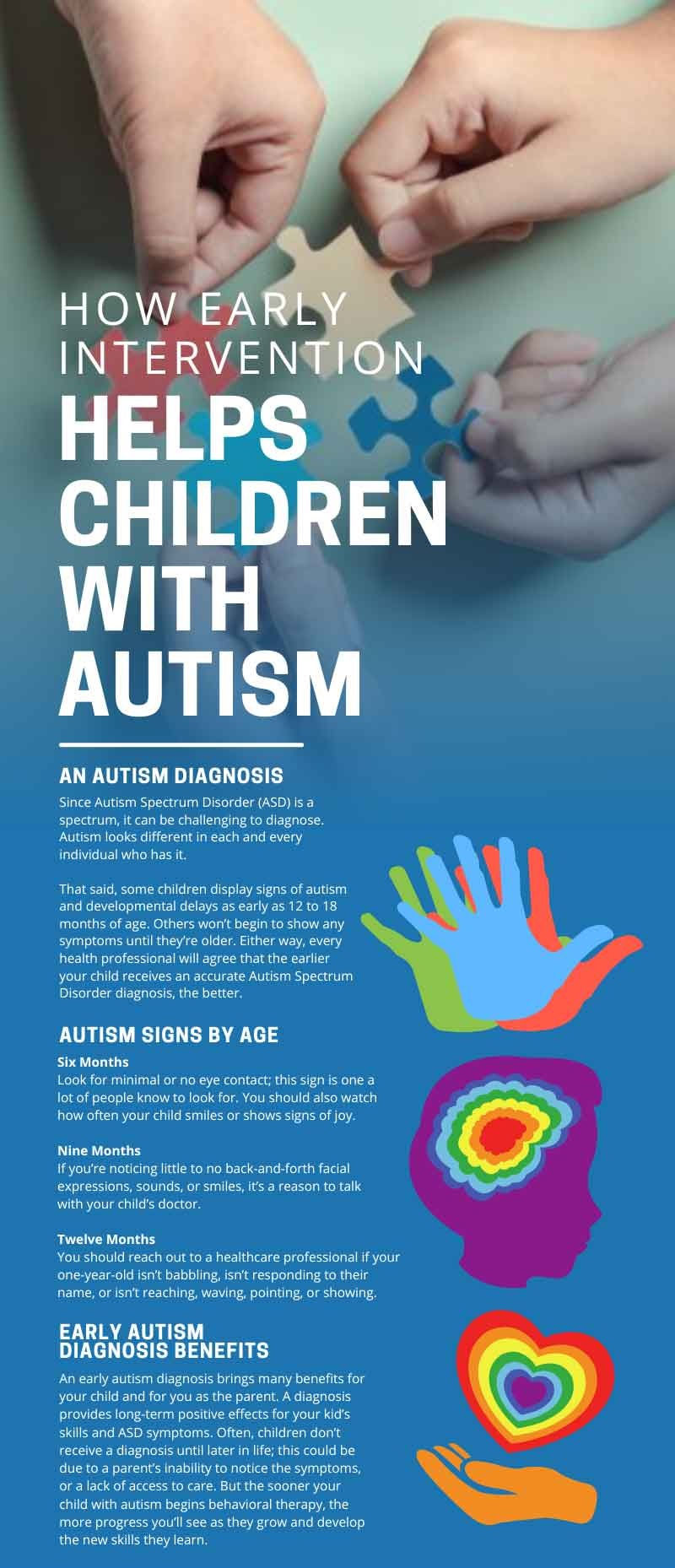
The age range for early intervention in autism typically spans from infancy to early childhood, with the most critical period being the first few years of life. While there is no strict cutoff age for early intervention, research suggests that the earlier interventions begin, the more significant and lasting the impact can be on a child's development.
Ideally, early intervention should start as soon as autism is suspected or diagnosed.
However, the specific age range for early intervention can vary depending on several factors:
1. Early identification: The age at which autism is first identified or diagnosed plays a crucial role in determining when early intervention can begin. Some children may show signs of autism as early as 12-18 months, while others may not be diagnosed until later in childhood.
2. Developmental milestones: Early intervention often targets specific developmental milestones that typically occur during the first few years of life. These milestones include language acquisition, social skill development, and cognitive growth.
3. Brain plasticity: The concept of neuroplasticity, or the brain's ability to form new neural connections and adapt to new experiences, is a key factor in early intervention. The brain is most plastic during the first few years of life, making this period particularly critical for intervention.
4. Increased Chance of Academic Success: Children with autism often face difficulties in traditional classroom settings due to communication barriers, difficulty understanding social cues, and behavioral challenges. Early intervention helps children develop foundational skills that improve their ability to engage in school settings, leading to better academic performance.
5. Reduced Challenging Behaviors: Children with autism often engage in challenging behaviors such as aggression, self-injury, or meltdowns, particularly when they are unable to express themselves or cope with their emotions. Early intervention can help reduce these behaviors by teaching children more appropriate ways to communicate, express their emotions, and manage stress.
6. Enhanced Family Support : Early intervention doesn’t just benefit the child; it also provides valuable support to families. Families of children with autism often face significant challenges, from navigating the healthcare system to managing their child’s behaviors. Early intervention programs often include training and resources for parents, helping them understand autism and providing strategies to support their child’s development at home.
Frequently Asked Questions (FAQs) about Early Intervention in Autism
1. At what age should early intervention begin for children with autism?
Early intervention is most effective when started as soon as autism is suspected. Research indicates that interventions provided before the age of 3 offer the greatest potential for positive outcomes. However, early intervention can still be beneficial for children diagnosed later, even if they are older than 3 years.
2. How can I tell if my child needs early intervention?
Signs that a child may benefit from early intervention include:
Lack of eye contact or social engagement
Limited verbal communication or no speech by age 2
Difficulty following directions or understanding social cues
Repetitive behaviors or intense focus on specific interests
Sensory sensitivities (e.g., overreacting to sounds or textures)
If you notice any of these signs in your child, it’s important to consult with a healthcare professional for further evaluation and potential diagnosis.
3. Can early intervention cure autism?
Early intervention can significantly improve a child’s skills and reduce the impact of autism on their daily life. The goal is to help children develop the tools they need to succeed, not to eliminate autism, but to provide them with a better chance for independence and success.
5. How can I find early intervention services for my child?
To find early intervention services, you can start by consulting with your child’s healthcare provider. They can guide you to local programs and specialists. In many countries, early intervention services are available through public health systems or early childhood education programs, and resources may be available through autism organizations.
Homeopathy Doctor for Autism in Chennai